
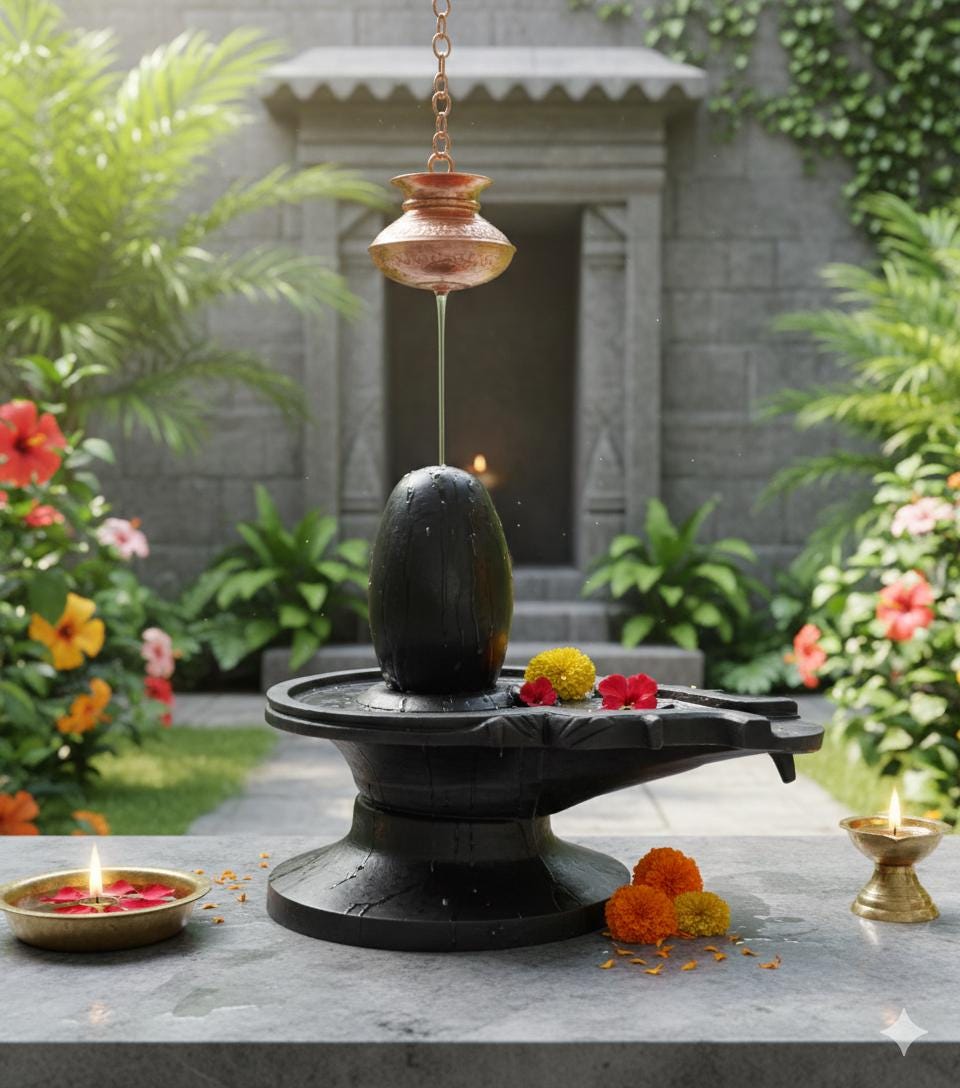
In the vast spiritual landscape of Sanatan Dharma, few symbols are as powerful, timeless, and revered as the Narmadeshwar Shivling. Carved by nature and sanctified by devotion, this sacred form of Lord Shiva holds a special place in the hearts of devotees across the world.
What Is a Narmadeshwar Shivling?
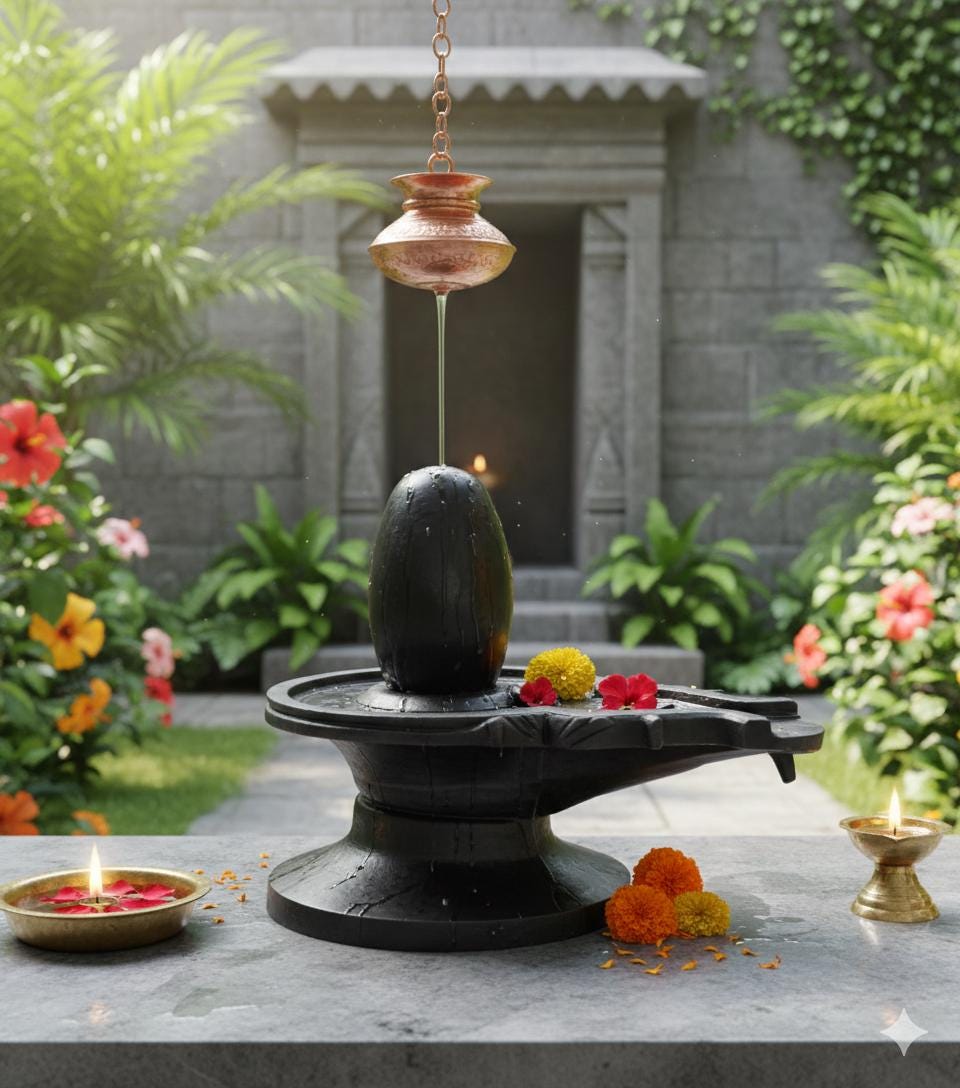
The Narmadeshwar Shivling is naturally formed from sacred stones found in the holy Narmada River. Unlike man-made idols, these Shivlings are believed to be swayambhu—self-manifested by divine will. Their smooth, oval shape symbolizes the cosmic pillar of energy, representing creation, preservation, and dissolution. For centuries, saints, sages, and devotees have considered the Narmadeshwar Shivling as one of the most auspicious forms of Shiva worship.
Spiritual Significance
The Shivling represents the infinite nature of the universe and the formless reality of Lord Shiva. Worshipping a Narmadeshwar Shivling is believed to:
- Remove negative energies
- Bring peace, prosperity, and spiritual growth
- Strengthen focus during meditation
- Balance inner energies and consciousness
Because the stone originates from the sacred river Narmada, it is said to carry the river’s purifying and life-giving power within it.
The Shivling and Yoni: A Complete Cosmic Form
As seen in the image, the Shivling is placed on a Yoni base, symbolizing Shakti (divine feminine energy). Together, the Shivling and Yoni represent the union of Purusha (consciousness) and Prakriti (nature)—the foundation of all creation. This union reminds devotees that balance and harmony are essential for both spiritual and worldly life.
Rituals and Daily Worship
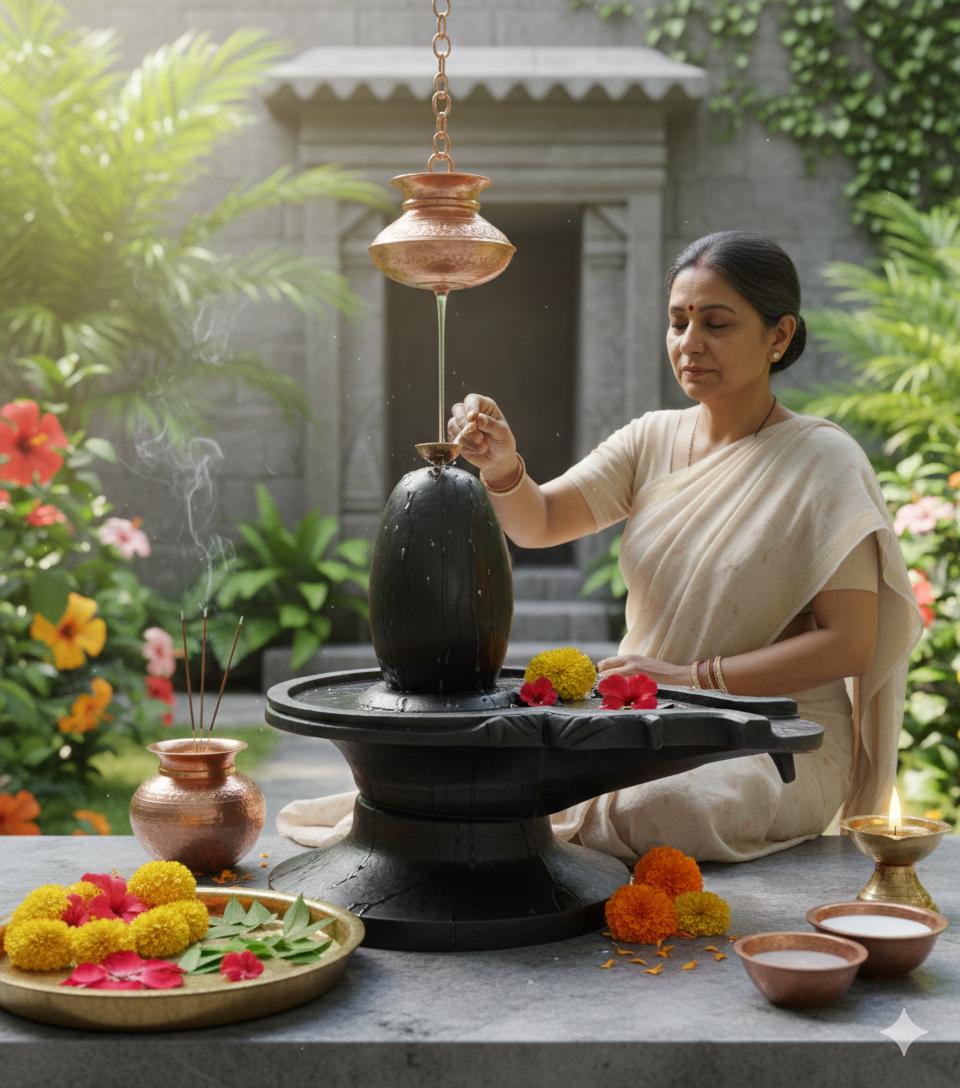
One of the unique aspects of the Narmadeshwar Shivling is that it can be worshipped daily at home. Common rituals include:
- Abhishekam with water, milk, or honey
- Offering bilva leaves, flowers, and incense
- Chanting “Om Namah Shivaya”
- Meditation in silence before the Shivling
It is believed that sincere worship, even without elaborate rituals, pleases Lord Shiva.
Why the Narmadeshwar Shivling Is World-Famous
The fame of the Narmadeshwar Shivling extends beyond India due to its natural origin, deep symbolism, and spiritual potency. Devotees across the globe install these Shivlings in homes, temples, and meditation spaces, experiencing a deep sense of calm and divine connection.
A Timeless Source of Inner Strength
In today’s fast-paced world, the Narmadeshwar Shivling stands as a reminder of stillness, balance, and eternal truth. Whether worshipped with devotion or contemplated in silence, it invites one to look inward and connect with the infinite presence of Lord Shiva. Har Har Mahadev.
History of the Narmadeshwar Shivling
The Narmadeshwar Shivling holds a unique and ancient place in the spiritual history of India. Its origin is not tied to a sculptor or a specific historical period but to nature itself, making it one of the most sacred and timeless symbols of Lord Shiva.
Origin from the Sacred Narmada River
The Narmadeshwar Shivling originates from the holy Narmada River, one of the seven most sacred rivers of India. According to ancient belief, the Narmada is the only river where naturally formed Shivlings are found. These stones, known as Banalingas or Narmada Ban Shivlings, are shaped by the continuous flow, pressure, and movement of the river over thousands of years. Because they are not carved or crafted by human hands, they are revered as Swayambhu Shivlings—self-manifested forms of Lord Shiva.
References in Ancient Scriptures
The sanctity of the Narmadeshwar Shivling is mentioned in several Hindu scriptures, including the Skanda Purana, Vayu Purana, and Matsya Purana. These texts describe the greatness of the Narmada River and state that merely seeing, touching, or worshipping a Shivling from the Narmada grants immense spiritual merit. It is believed that Lord Shiva himself blessed the Narmada, declaring that all stones emerging from her waters would embody his divine presence.
Connection with Lord Shiva
In Hindu tradition, Lord Shiva is worshipped in both form and formlessness. The Shivling represents the formless, infinite cosmic energy. The naturally smooth, elliptical shape of the Narmadeshwar Shivling perfectly symbolizes this concept, which is why sages and yogis have preferred it for meditation and spiritual practices since ancient times. Many saints believed that worshipping a Narmadeshwar Shivling is equivalent to visiting all twelve Jyotirlingas.
Historical Worship Practices
Historically, Narmadeshwar Shivlings were collected by sages during Narmada Parikrama, a sacred circumambulation of the river that spans over thousands of kilometers. These Shivlings were then installed in ashrams, temples, and homes for daily worship. Kings, scholars, and householders alike revered these Shivlings, considering them powerful protectors and sources of spiritual strength.
Symbolism of Shivling and Yoni
Traditionally, the Narmadeshwar Shivling is placed on a Yoni base, representing Shakti (divine feminine energy). This pairing symbolizes the eternal union of consciousness (Shiva) and energy (Shakti), which is the foundation of creation according to Hindu philosophy.
Relevance in the Modern Era
Even today, the Narmadeshwar Shivling remains deeply revered across India and around the world. Despite changing times, its spiritual importance has remained unchanged. Devotees continue to worship it for peace, prosperity, health, and liberation. The history of the Narmadeshwar Shivling is not merely a record of the past—it is a living tradition, flowing continuously like the sacred Narmada itself. Har Har Mahadev.
Frequently Asked Questions (FAQs)
Q1. What is a Narmadeshwar Shivling?
Answer: A Narmadeshwar Shivling is a naturally formed sacred stone found in the Narmada River. It represents Lord Shiva in his formless, infinite aspect and is considered Swayambhu (self-manifested).
Q2. Why is the Narmadeshwar Shivling considered special?
Answer: It is special because it is not man-made. It is naturally shaped by the sacred Narmada River and is believed to carry Lord Shiva’s divine energy directly from nature.
Q3. Is it mentioned in Hindu scriptures?
Answer: Yes. The Skanda Purana, Vayu Purana, and Matsya Purana mention the spiritual importance of the Narmada River and Shivlings formed in its waters.
Q4. Can Narmadeshwar Shivling be worshipped at home?
Answer: Yes. One of its unique qualities is that it can be worshipped daily at home without elaborate rituals. Simple offerings and sincere devotion are sufficient.
Q5. What is the spiritual benefit of worshipping it?
Answer: Worshipping a Narmadeshwar Shivling is believed to bring peace, remove negative energies, improve focus, and support spiritual growth and liberation.
Q6. Why is the Shivling placed on a Yoni base?
Answer: The Yoni represents Shakti (divine feminine energy). Together, the Shivling and Yoni symbolize the union of consciousness (Shiva) and energy (Shakti), which creates and sustains the universe.
Q7. Is Narmadeshwar Shivling the same as Jyotirlinga?
Answer: While Jyotirlingas are specific temple sites, many scriptures and saints believe that worshipping a Narmadeshwar Shivling offers spiritual merit equal to worshipping all Jyotirlingas.
Q8. Who can worship a Narmadeshwar Shivling?
Answer: Anyone, regardless of age, gender, or background, can worship it with devotion and purity of intention.